AI /
Major companies sign the AI Pact with the EU: Apple, Meta, and ByteDance are currently out.
EU AI Pact: What the Voluntary AI Pledge Is, Who Signed (and Who Didn't), and How It Helps Businesses Anticipate Binding AI Act Obligations.

Smart Shaped
Last update: September 22, 2026
The AI Pact (the European Commission's voluntary pledge) helps companies and organizations prepare in advance for the binding EU AI Act regulation. Many global enterprises have joined, while Apple, Meta, and ByteDance were absent in the initial rollout. The official roster of signatories remains dynamic and continues to evolve over time.

What the EU AI Pact is and why it matters to global enterprises
The AI Pact (a voluntary initiative launched by the European Commission) serves as a structured compliance readiness pathway, encouraging enterprises, public administrations, and key industry stakeholders to align operations ahead of statutory enforcement deadlines under the European Union AI Act. Fundamentally, while the AI Pact does not establish new legal obligations, it structures AI governance, operational transparency, and readiness efforts that become vital once binding AI Act mandates take effect.
According to official European Commission documentation, the AI Pact was created to foster the adoption of trustworthy AI while mitigating operational friction across corporate supply chains (European Commission – AI Pact). For major tech players like Apple, Meta, and ByteDance, joining or opting out represents a strategic calculation involving brand reputation, resource allocation, and product timelines; however, it does not bypass statutory compliance—the AI Act remains strictly binding for all entities operating within the EU market.
EU AI Act: essential regulatory framework and application roadmap
The EU AI Act is a risk-based legislative framework that prohibits unacceptable AI practices, enforces strict compliance mandates for high-risk AI systems, and introduces targeted transparency rules for General-Purpose AI (GPAI) foundation models. Understanding the implementation roadmap is essential when assessing the AI Pact: the voluntary pledge facilitates operational readiness, but does not alter statutory deadlines or reduce legal liabilities.

The European Commission defines the AI Act as a legally binding framework with risk-proportionate requirements and explicit transparency mandates, including mandatory labeling for AI-generated synthetic content (European Commission – Regulatory framework for AI).
| Milestone | Regulatory Event | Implementation Timeframe (Source) |
|---|---|---|
| Political Adoption | Final agreement reached on Regulation text | 2024 (EU – AI Act framework) |
| Entry into Force | Regulation formally enters into force across EU Member States | 2024 (EU – AI Act framework) |
| Prohibition of Controversial Practices | Bans take effect for prohibited AI uses (e.g., social scoring) | Phased implementation (EU – AI Act framework) |
| GPAI Model Mandates | Transparency rules apply to General-Purpose AI models | Phased implementation (EU – AI Act framework) |
| Full Regulatory Application | Full enforcement across high-risk AI systems | Phased through 2026 (EU context; see European Commission guidance) |
For a comprehensive operational deep dive covering risk classification, governance frameworks, and technical requirements, consult our guide on the regulatory framework and business impacts of the EU AI Act.
What the AI Pact entails: voluntary pledges, governance, and transparency
The AI Pact emphasizes verifiable readiness actions, centered on three core pillars: (1) establishing a formal corporate AI governance strategy (defining roles, oversight, and operational processes), (2) conducting systematic use-case mapping to identify potential high-risk systems under EU criteria, and (3) rolling out internal AI literacy programs (staff training, risk awareness, and usage policies). Proactively implementing these measures lowers integration costs and speeds up compliance when AI Act provisions become fully enforceable.
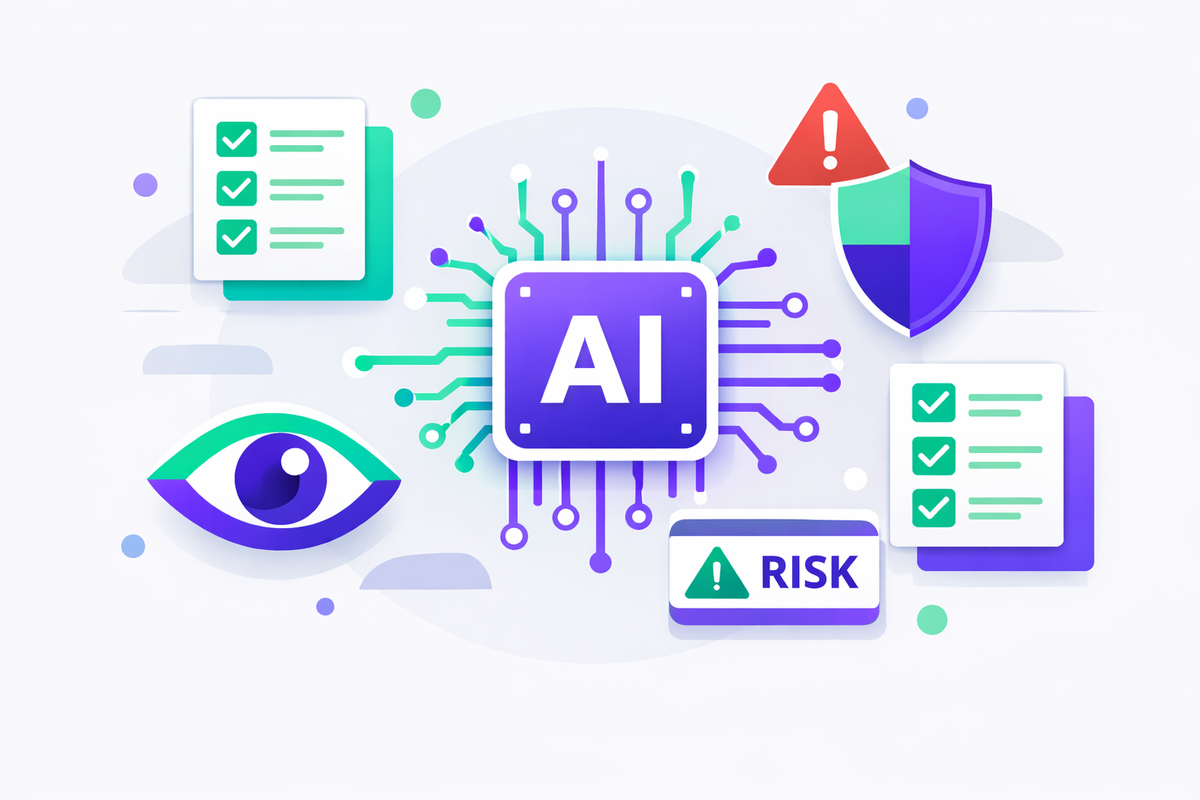
Analysis from BDO highlights the Pact's emphasis on organizational awareness, high-risk system mapping, and enterprise risk management structures (BDO – EU AI Act: how it will work).
The AI Pact now counts 3 265 companies and organisations, with more than 230 voluntary pledgers taking concrete steps toward compliance ahead of legal deadlines.
— European Commission, Official EU statement on AI Pact milestones (December 15, 2025)
| Dimension | AI Pact (Voluntary) | AI Act (Binding) |
|---|---|---|
| Legal Nature | Voluntary commitments & best practices | Binding EU Regulation |
| Mandatory Status | No, optional participation | Yes, mandatory for all entities operating in the EU |
| Timeline | Accelerates early compliance readiness | Phased enforcement milestones through 2026 |
| Enforcement | No direct legal penalties or statutory fines | Enforceable audits, administrative fines, & market bans |
| Strategic Value | Operational readiness & brand trust | Legal compliance & risk mitigation |
To review primary documentation regarding official pledges, the European Commission maintains public pledge archives (Official Volunatry Pledges Text (PDF)). For ongoing updates across the Google and European tech ecosystems, monitoring official EU digital policy briefings remains recommended.
Which major corporations signed the AI Pact and which did not
Evaluating corporate participation requires looking at scale and the substance of specific commitments. In the European Commission's official progress update from December 15, 2025, the AI Pact registered 3,265 participating companies and organizations, with over 230 formal signatories making concrete voluntary pledges (European Commission – AI Pact marks one year of progress). Official data indicates that 63% of pledgers are based in the EU, 23% in the United States, and 14% in other global regions (2025 Commission breakdown).
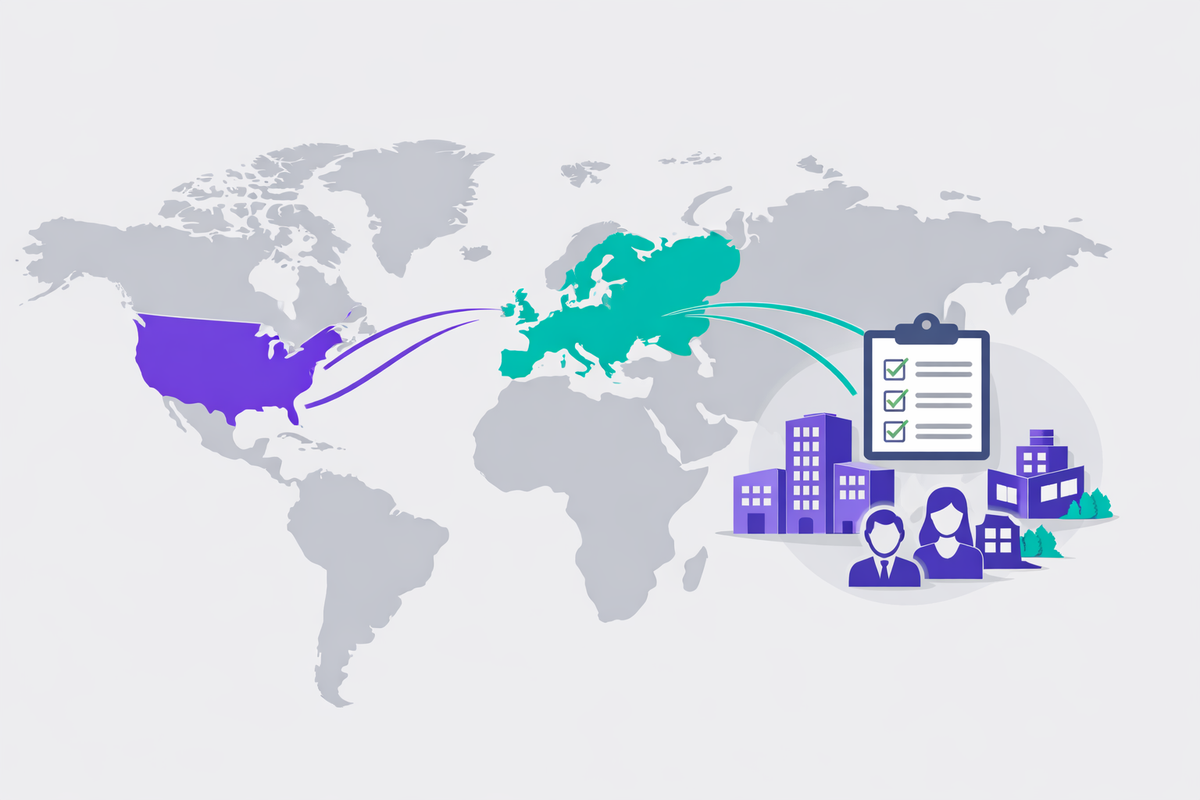
Note: The official signatory directory is updated continuously. The list below represents a point-in-time snapshot, and procurement or compliance teams should consult official EU databases for current status verifications.
| Signatories (Representative Examples) | Non-Signatories (Initial Phase) | Variable / Evolving Status |
|---|---|---|
| Microsoft (USA, Redmond) | Apple (USA, Cupertino) | Anthropic (USA, San Francisco) |
| OpenAI (USA, San Francisco) | Meta (USA, Menlo Park) | Other niche GPAI developers |
| Amazon (USA, Seattle) | ByteDance / TikTok (China, Beijing) | Vertical EU software vendors |
| Google (USA, Mountain View) | — | Scale-ups & public entities |
| IBM (USA, Armonk) • Samsung (South Korea, Suwon) | — | Non-profit research organizations |
Industry Sector Breakdown (Representative Clusters):
- Hyperscalers & Cloud Infrastructure: Microsoft, Google, Amazon, IBM
- Hardware & Semiconductors: Samsung, Qualcomm
- Telecommunications & Networks: Vodafone, TIM
- Enterprise Software & Productivity: Adobe, Autodesk, Cisco
To explore how enterprise software providers integrate governance into core systems, see our analysis on implementing enterprise AI workflows in large organizations.
Why Apple, Meta, and ByteDance opted out during the initial phase
Choosing not to sign the AI Pact does not signal non-compliance with the AI Act: the Pact is a voluntary framework, whereas the AI Act is a binding legal mandate. Initial opt-outs reflect strategic decisions regarding regulatory timing, resource focus, and corporate positioning rather than an attempt to bypass European law. BDO's legal summary notes initial absences by Apple, Meta, and ByteDance, while detailing corporate statements regarding compliance priorities.

Below is a factual overview of stated positions and market contexts across these organizations:
Meta
For Meta, regulatory considerations focus on how open foundation models (such as Llama) align with EU data privacy and AI Act mandates. BDO highlights that “Meta stated that it is focused on compliance work under the AI Act” (BDO – EU AI Act: how it will work). Meta's strategy prioritizes meeting mandatory statutory requirements rather than participating in voluntary preliminary pledges.
Apple
For Apple, compliance depends on how personal AI features (such as Apple Intelligence) interact with device architecture, user data, and cloud infrastructure. Opting out during the initial AI Pact launch reflects internal rollout schedules and technical governance evaluations; however, Apple remains fully subject to statutory AI Act requirements for all systems deployed within the European single market.
ByteDance / TikTok
For ByteDance (the parent company of TikTok), EU regulatory compliance spans multiple overlapping frameworks, including the Digital Services Act (DSA) and the AI Act. Given this broader regulatory footprint, the company opted for a direct compliance focus on binding statutory requirements rather than layering voluntary commitments during the early transition window.
For further analysis on global tech strategies and European regulatory dynamics, read why Big Tech firms ask for AI rules while challenging the EU AI Act.
How the AI Pact impacts compliance, procurement, and AI development in Europe
The AI Pact shapes enterprise operations across compliance management, vendor procurement, and product development. It prompts organizations to establish AI system registries, assign internal accountability, and assemble audit evidence (governance policies, logging pipelines, risk assessments) that prove valuable well beyond AI Act compliance. This is especially vital for complex supply chains, public tenders, and enterprise vendor management.
Across enterprise IT ecosystems, AI governance platforms—such as IBM watsonx.governance, ServiceNow AI Control Tower, OneTrust AI Governance, and Credo AI—are designed to automate system inventories, policy enforcement, and audit documentation (TechTarget – AI governance tools and platforms in 2026).
| Potential Operational Benefits | Implementation Constraints | What the AI Pact Does Not Provide |
|---|---|---|
| Aligns internal governance ahead of statutory deadlines | Requires dedicated internal resource allocation | Legal immunity from statutory AI Act penalties |
| Reduces procurement friction during vendor evaluations | Does not replace formal legal compliance reviews | Automated model certification or exemption |
| Enhances market trust with enterprise clients & regulators | Demands robust data governance and clear operational roles | Coverage for non-AI operational security risks |
Related deep dives: managing enterprise AI governance and EU AI Act compliance and innovations in European legal AI and data-first architectures. For SME considerations, read artificial intelligence adoption in European SMEs.
AI Pact vs global standards: comparing US, UK, and international frameworks
The EU combines voluntary initiatives with binding legislation: the voluntary AI Pact operates alongside the mandatory AI Act. Outside Europe, governance relies heavily on risk management frameworks and voluntary industry standards rather than horizontal statutory bans. This distinction dictates how multinational enterprises structure global AI policies and localize compliance controls for European operations.
Key international reference standards include the NIST AI Risk Management Framework (US risk management guidelines), ISO/IEC 42001 (the international management system standard for AI), and the UK's sector-led regulatory approach. Within an enterprise compliance strategy, the AI Pact acts as a practical operational bridge, structuring internal controls to align with upcoming statutory requirements.
| Feature | EU (AI Pact + AI Act) | US / UK / International Standards |
|---|---|---|
| Legal Framework | Voluntary pledge paired with a binding horizontal Regulation | Voluntary frameworks, technical standards, & sector guidance |
| Enforcement | Statutory fines and enforcement under the AI Act | Indirect market compliance & agency-level enforcement |
| Jurisdictional Scope | EU single market, risk classification, & transparency | Organizational risk management & system safety |
| Core Focus | Statutory bans + high-risk & GPAI compliance requirements | Organizational controls & engineering best practices |
For a broader geopolitical analysis, read our comparison on the global AI race between the US, China, and Europe.
EU AI Pact FAQ: membership, deadlines, legal obligations, and impact
Can a company join the AI Pact after the initial launch phase?
Yes. The AI Pact is an open, voluntary initiative led by the European Commission. Organizations can join at any point as they mature their internal AI governance frameworks and compliance roadmaps. Most enterprise adopters join once they have completed baseline AI system inventories and assigned internal risk owners.
Are there legal penalties for not signing the AI Pact?
No. There are no fines or legal penalties for opting out of the AI Pact, as it is entirely voluntary. Legal liabilities and administrative fines stem exclusively from non-compliance with the binding EU AI Act regulation. The primary risk of opting out is falling behind on operational readiness when statutory AI Act enforcement deadlines arrive.
When do the key statutory AI Act obligations take effect for AI developers and deployers?
AI Act obligations take effect through a phased timeline: bans on prohibited AI practices apply first, followed by compliance mandates for General-Purpose AI models and high-risk AI system requirements. To maintain compliance, organizations should map internal use cases against official enforcement dates.
How can I verify the current official list of AI Pact signatories?
The official signatory directory is maintained and updated on the European Commission's digital policy portal. Because membership changes continuously, procurement and compliance teams should verify signatory status directly via official EU portals rather than relying on static third-party lists.
Is the AI Pact designed only for tech giants like Microsoft, Google, or OpenAI?
No. As of December 15, 2025, the European Commission reported 3,265 participating organizations and over 230 formal pledge signatories. Participants include telecommunications providers, industrial manufacturers, enterprise software developers, scale-ups, and public sector institutions.
Does joining the AI Pact replace the need for formal AI Act audits and documentation?
No. While participating in the AI Pact helps build operational governance, transparency, and internal readiness ahead of deadlines, it does not replace statutory obligations like formal risk assessments, technical documentation, data governance controls, or vendor audits. Statutory AI Act compliance requires auditable evidence and repeatable operational workflows.